
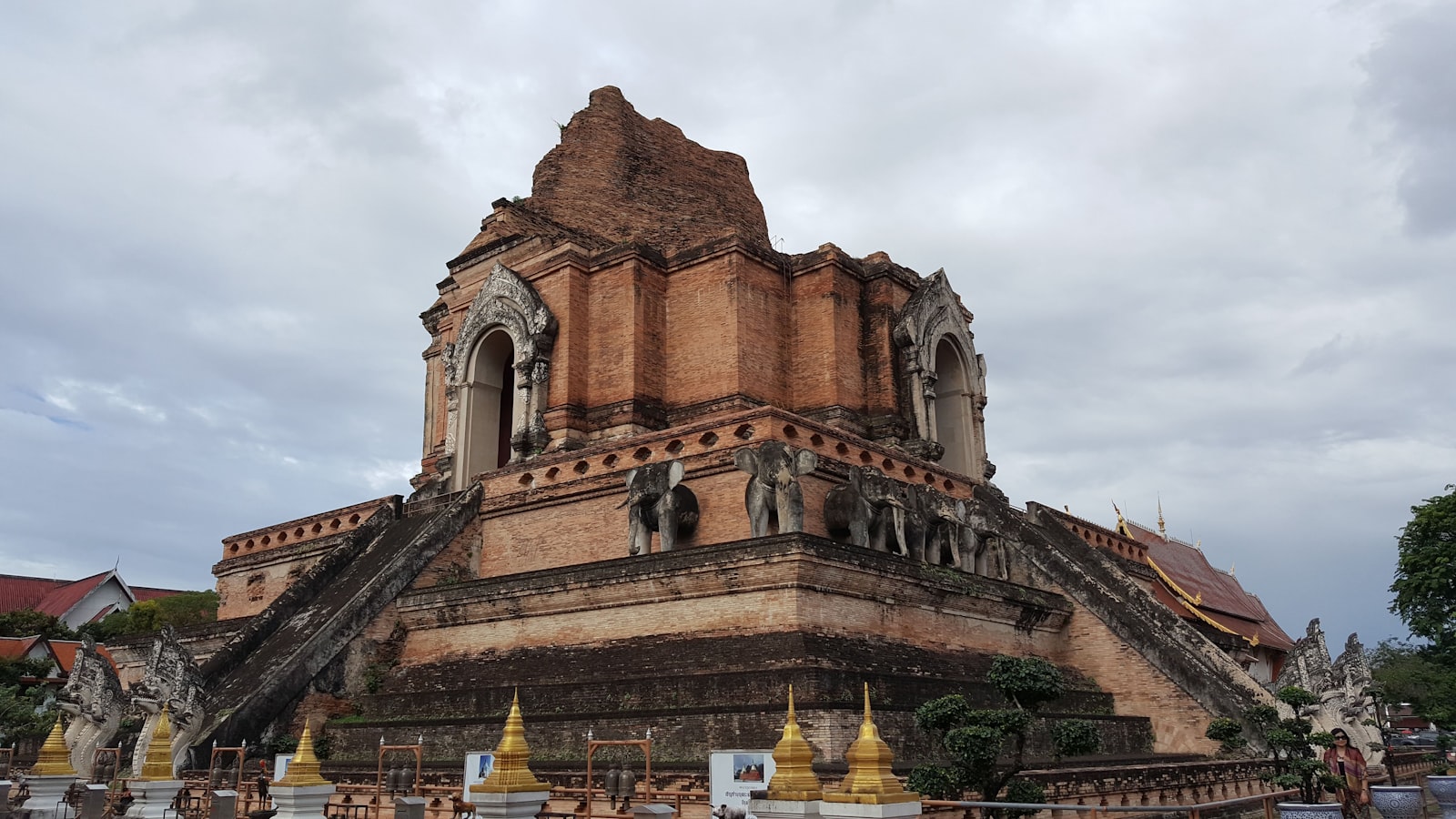
Chiang Mai has been the unofficial capital of digital nomad life for over a decade — and in 2026, it still deserves that title. Fast café WiFi, some of the cheapest decent hotels in Southeast Asia, incredible street food, and a community of remote workers that makes it easy to find your people within a week of arriving.
In this guide
But not every hotel in Chiang Mai works for nomads. Some are noisy tourist guesthouses with spotty WiFi. Some are beautiful boutique hotels with no desk in the room. And some are tucked in the Old City where the weekend night markets will ruin your Sunday morning sleep schedule.
This guide cuts through all of that. Here’s where to stay, what to pay, and what to look for — so you can get to work (and enjoy the city) from day one.
What Makes a Hotel Nomad-Friendly in Chiang Mai?
Before we get into specific picks, here’s what actually matters when you’re choosing a hotel as a remote worker:
WiFi speed and reliability — Chiang Mai’s average is around 65 Mbps across the city, but hotel WiFi varies wildly. Budget guesthouses often share a single slow connection across 20 rooms. Look for hotels that advertise fibre or mention a dedicated connection. When in doubt, check reviews specifically mentioning WiFi.
A proper workspace — A desk and chair matters more than you’d think after day three of hunching over a laptop on a bed. Mid-range hotels in Chiang Mai generally include a desk; budget guesthouses often don’t.
Location relative to coworking — Nimman Road is where you want to be. The city’s best cafés and coworking spaces are clustered there. Staying within walking distance saves you a songthaew (red truck) ride every morning.
Quiet enough to take calls — Old City guesthouses can be lively, especially on weekends. If you have regular video calls, prioritise hotels away from the main temple and market areas.
Monthly rates — If you’re staying 2–4 weeks, always ask the hotel directly about a weekly or monthly rate. Many properties offer 20–40% off for longer stays that aren’t listed on Booking.com.
Best Areas to Stay in Chiang Mai for Nomads
Nimman Road — the nomad heartland
Nimman (short for Nimmanhaemin Road) is where most digital nomads end up, and for good reason. It’s dense with cafés that welcome laptop workers, has the best concentration of coworking spaces in the city, and is surrounded by good restaurants, gyms, and supermarkets. CAMP at Maya Mall (free with any purchase) is a Chiang Mai institution — the WiFi is solid and it’s open late.
Hotels in Nimman run slightly higher than the Old City, but the convenience is worth it for most nomads.
Best for: Nomads who want walkability, coworking access, and a modern neighbourhood vibe.
Old City — budget-friendly but noisy
The Old City (inside the moat) has the highest concentration of budget guesthouses in Chiang Mai, and it’s beautiful — temples, local markets, traditional architecture. But it gets noisy on weekends around the Saturday and Sunday Walking Streets, and the WiFi at many guesthouses is underwhelming.
Best for: Budget nomads who are light sleepers on weekdays only, or those who prioritise cultural immersion over workspace access.
Santitham — local life, lower prices
North of the Old City, Santitham is where nomads move after their first month on Nimman when they want to cut costs without sacrificing too much. It’s more local, quieter, and has some genuinely good Thai food. You’ll need a scooter or Grab to reach Nimman coworking spaces — about a 10-minute ride.
Best for: Longer-stay nomads who want to live more like a local and have a scooter.
Hotel Picks by Budget
Budget — under $25/night
At this price range in Chiang Mai you’re looking at clean guesthouses and small hotels, usually with shared or modest private bathrooms, basic but functional WiFi, and often a fan or entry-level AC room. The Old City and Santitham have the best concentration of budget options.
What to look for: Fan vs AC (AC rooms cost slightly more), private vs shared bathroom, and whether breakfast is included — it often is at this price range, which adds real value.
Typical price range: $12–22/night
Nomad tip: At this budget, plan to work from a nearby café rather than your room. CAMP, Ristr8to, and dozens of independent spots in Nimman will be your real office.
Search budget hotels in Chiang Mai →
Mid-range — $25–60/night
This is the sweet spot for most nomads in Chiang Mai. At $30–55/night you get a proper desk, reliable AC, faster WiFi, and often a pool. Boutique hotels in this range are excellent value — think teak wood interiors, breakfast included, and staff who understand longer-stay guests.
Nimman has the best selection at this price point. Look for properties that mention “work desk” or “high-speed WiFi” specifically in their listing — it’s a signal they’ve thought about the working traveller.
Typical price range: $30–55/night
Nomad tip: Ask about weekly rates when you check in. Many mid-range hotels will knock 15–25% off for a 7-night stay, which isn’t always reflected in the online listing price.
Compare mid-range hotels in Chiang Mai →
Comfort — $60+/night
Above $60/night in Chiang Mai you’re getting genuinely excellent hotels — rooftop pools, strong fibre WiFi, stylish rooms, and often a café or restaurant on site. The Riverside area along the Ping River has some of the most atmospheric options, and Nimman has a few boutique properties in this range that are worth every baht.
At this budget you won’t need to leave the hotel to work comfortably — most properties have lobby areas or quiet corners that double as workspace.
Typical price range: $70–140/night
Nomad tip: If you’re planning a longer stay at this budget, consider serviced apartments instead — you’ll get a full kitchen and more space for a similar or lower nightly rate.
Search comfort hotels in Chiang Mai →
Nomad Tips for Chiang Mai in 2026
Avoid burning season (February–April). Agricultural burning in the surrounding mountains pushes the AQI above 200 in Chiang Mai during this period. Many long-term nomads leave the city entirely. If you’re staying, get an air purifier for your room and a PM2.5 mask for outdoors.
Best months to visit: November, December, January, and February (before the burn season kicks in) are the sweet spot — cool weather, clear skies, and the city at its most pleasant.
Get an AIS or True Move H SIM card at the airport or any 7-Eleven. Around 300 THB ($8) gets you 30 days of unlimited data — fast enough to tether from a café if the WiFi goes down.
Get around by scooter or Grab. Scooter rental is 150–200 THB/day from dozens of shops on Nimman. Grab (the Southeast Asian Uber) works well in the city if you’d rather not ride. Songthaews (red pickup trucks acting as shared taxis) are 30–50 THB per ride for shorter trips.
Coworking options: CAMP at Maya Mall (free with purchase, open late), Yellow (~300 THB/day), Alt_ChiangMai (~350 THB/day), and MANA (~250 THB/day) are the main options in and around Nimman.
Visa: Most nationalities get a 30-day visa on arrival, extendable once to 60 days. Thailand’s Long-Term Resident (LTR) visa is available for remote workers who can show $80k annual income — it gives you a 10-year visa and work permit.
→ For more on Chiang Mai, see our full Chiang Mai destination guide
Frequently Asked Questions
Is Chiang Mai good for digital nomads in 2026?
Yes — it remains one of the best. The cost of living is low ($1,100–1,700/month for a comfortable lifestyle), WiFi is fast and reliable in most areas, the nomad community is established and active, and the city has everything you need for a productive long-term base. The main caveats are burning season (February–April) and the fact that it’s not walkable without a scooter outside of Nimman.
What is the best area in Chiang Mai to stay for remote work?
Nimman Road. It has the highest density of nomad-friendly cafés and coworking spaces, the best selection of mid-range hotels, and everything you need within walking distance. Old City is a good second choice for budget travellers who don’t mind the weekend noise.
Which hotels in Chiang Mai have the best WiFi?
Mid-range and above hotels in Nimman generally have the most reliable WiFi — look for properties that specifically mention fibre or dedicated broadband in their listing. At budget guesthouses, plan to work from a nearby café rather than relying on the hotel connection.
How much does a hotel cost in Chiang Mai per night?
Budget guesthouses run $12–22/night. Mid-range boutique hotels cost $30–55/night. Comfort properties with pools and fast WiFi run $70–140/night. All categories offer significant discounts for weekly or monthly stays if you ask directly.
Is Chiang Mai cheaper than Bali for digital nomads?
Generally yes — especially for hotels. Chiang Mai’s mid-range hotels run about 20–30% cheaper than comparable properties in Canggu, Bali. Cost of living is also slightly lower overall, though both cities are among the most affordable nomad bases in Asia.
We earn a small commission when you book through our links — at no extra cost to you. See our affiliate disclosure for full details.



🌍 Free Download: Nomad City Cheatsheet 2026
Compare Chiang Mai, Bali, Lisbon, Budapest & Medellín — WiFi speeds, costs, visas and best months on one page.
Free forever. No spam. Unsubscribe anytime.
