
Chiang Mai consistently ranks as one of the world’s top digital nomad destinations — but safety is always one of the first questions people ask before booking a one-way ticket to northern Thailand.
The short answer: yes, Chiang Mai is safe for digital nomads. It’s one of the safest cities in Southeast Asia for foreign visitors. But like any destination, there are specific risks worth knowing about before you arrive — and a few that are unique to Chiang Mai.
This guide covers everything: crime, scams, traffic, air quality, health, and what to actually watch out for as a remote worker.
Overall Safety — The Honest Picture
Chiang Mai is a low-crime city by any global standard. Violent crime against tourists is rare. The city has a large, established expat and nomad community that has been living and working here safely for years — many for decades.
That said, no city is risk-free. The risks in Chiang Mai are real but manageable, and most come down to common sense rather than serious danger.
What is generally safe:
- Walking alone day or night in Nimman Road and the Old City
- Using local transport (songthaews, Grab)
- Eating street food (it’s safe, abundant, and excellent)
- Using ATMs and carrying cards
- Working in cafés and coworking spaces
What requires more caution:
- Riding a scooter (traffic accidents are the #1 risk for nomads)
- The burning season (February–April air quality)
- Gem and tuk-tuk scams targeting tourists
- Leaving laptops unattended in cafés
Crime and Personal Safety
Chiang Mai’s crime rate is low compared to other major Southeast Asian cities. Petty theft — bag snatching, phone theft — exists but is not rampant. The areas where nomads spend most of their time (Nimman Road, the Old City, Canal Road) are well-lit, well-trafficked, and generally safe.
The main crime risks:
Bag and phone theft — Mostly opportunistic. Don’t leave your bag on the back of a chair in a crowded café, and keep your phone in your pocket on busy streets. Motorbike bag-snatching does happen on quieter roads — carry bags on your inside shoulder away from traffic.
Laptop theft from cafés — Rare but worth mentioning. Don’t leave your laptop unattended, even briefly. Most nomad-friendly cafés (CAMP, Yellow, Alt_ChiangMai) are safe environments with other nomads around, but basic vigilance applies.
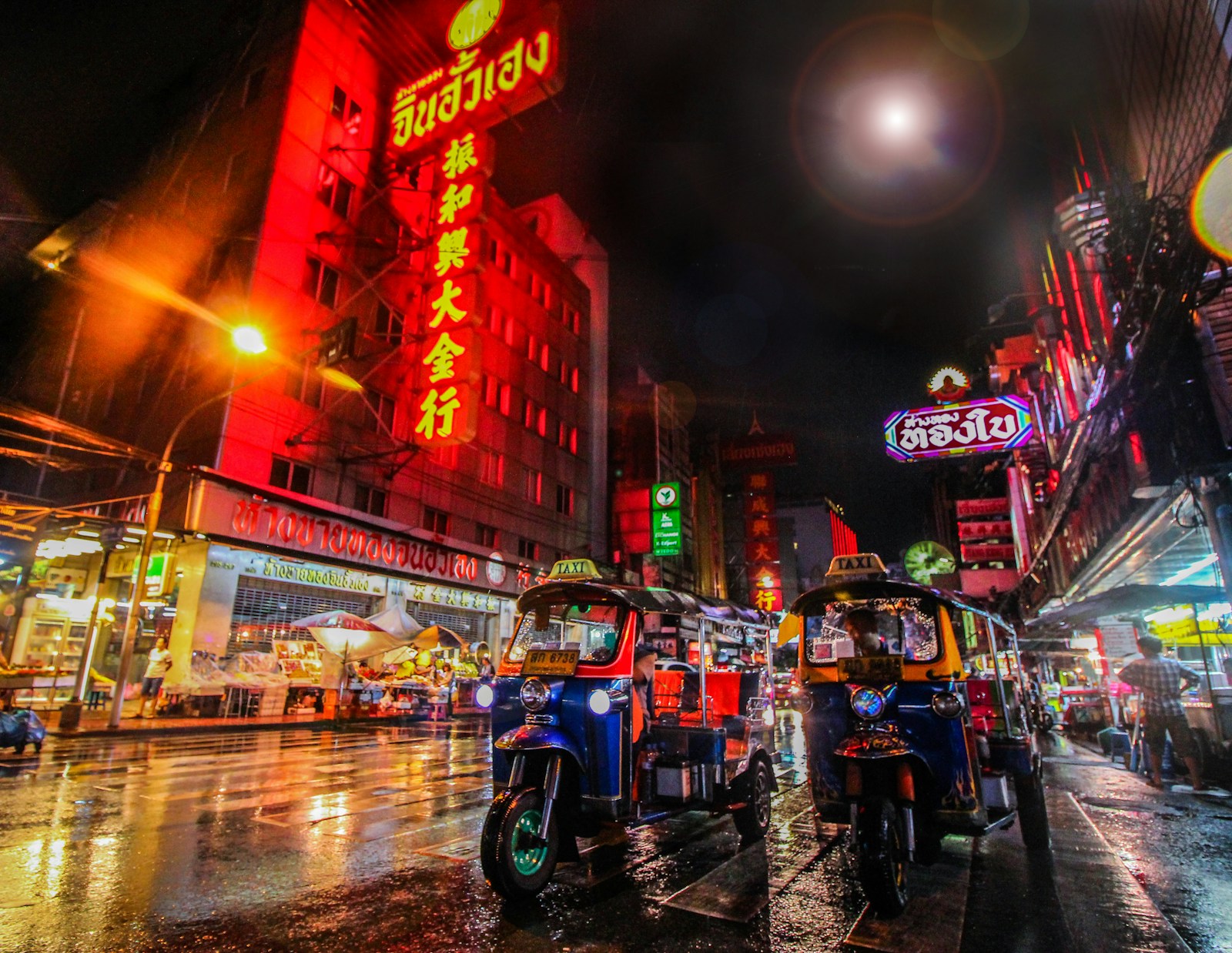
Tourist area scams — Common around Tha Phae Gate and the Night Bazaar. Tuk-tuk drivers offering free rides to temples (before taking you to gem shops) are the classic scam. Skip tuk-tuks entirely and use Grab for any journey where you care about the price.
The gem scam — Strangers approaching you with stories about a “one day only” gem sale or a “friend’s factory” offering deals. Never engage. It’s always a scam.
Traffic and Scooter Safety
This is the most significant real risk for digital nomads in Chiang Mai — and it’s worth being direct about it.
Traffic accidents are the #1 cause of injury for foreign visitors in Thailand. Chiang Mai’s roads are busy, driving standards are mixed, and scooter accidents happen regularly. Many nomads ride scooters without helmets or proper experience, which significantly increases risk.
If you ride a scooter:
- Always wear a helmet — Thai law requires it and it saves lives
- Get proper travel insurance that covers motorbike accidents (many policies exclude them without a licence)
- Avoid riding at night, especially on unfamiliar roads
- Take a quiet road to practice before hitting busy streets
If you don’t want to ride:
- Grab works well throughout Chiang Mai
- Songthaews (red trucks) are cheap and reliable for short trips
- Nimman Road is walkable for most daily nomad needs
Air Quality — The Burning Season
This is Chiang Mai’s most significant seasonal hazard and something every nomad needs to know before planning a visit.
February to April is burning season. Agricultural burning in the surrounding mountains and farms pushes the AQI (Air Quality Index) to levels that can exceed 200 — classified as “Very Unhealthy” — for weeks at a time. During peak burning (usually March), the city can look visibly hazy and smell of smoke.
What this means practically:
- Extended outdoor exposure during burning season is genuinely harmful
- People with respiratory conditions should avoid this period entirely
- Many long-term nomads leave Chiang Mai entirely during March–April
- Working in well-ventilated or air-conditioned spaces (coworking spaces) mitigates the risk significantly
Mitigation if you must be there:
- Get a quality air purifier for your room (worth the investment)
- Wear a PM2.5-rated mask outdoors
- Check AQI daily at iqair.com or the AirVisual app
- Work from air-conditioned coworking spaces rather than open-air cafés
Best months for air quality: November through January — cool, clear skies, AQI typically below 50 (Good). This is Chiang Mai at its best.
Health and Medical Safety
Food safety — Street food in Chiang Mai is generally safe and the culinary standards are high. The city’s food scene is excellent and locals eat it daily. Standard precautions apply: eat at busy stalls with high turnover, avoid anything that looks like it’s been sitting out in the heat for hours.
Water — Don’t drink tap water. Bottled water is cheap and widely available everywhere. Most hotels and guesthouses provide complimentary bottled water.
Medical care — Chiang Mai has several good private hospitals:
- Chiang Mai Ram Hospital — popular with expats, English-speaking staff
- Bangkok Hospital Chiang Mai — high standard, more expensive
- McCormick Hospital — affordable, reliable
Medical costs are significantly lower than in Western countries. A doctor’s consultation runs 300–500 THB ($8–14). Get travel insurance before you go — it’s cheap and essential.
Vaccinations — Hepatitis A, Typhoid, and Tetanus are recommended. Check with your doctor before travel for current recommendations.
Emergency Numbers — Save These Before You Arrive
- Police: 191
- Medical Emergency: 1669
- Tourist Police: 1155 (English-speaking, nomad-friendly)
- Fire: 199
- General Emergency: 191
The Tourist Police (1155) are specifically trained to help foreign visitors and speak English. For any non-violent incident involving a tourist — theft, scams, accidents — they’re your first call.
Safe transport: Use Grab (the Southeast Asian Uber) for any journey where you’re unsure about pricing or safety. It’s widely available in Chiang Mai, metered, and significantly more reliable than flagging a random tuk-tuk.
Safety for Solo Female Nomads
Chiang Mai is generally considered safe for solo female travellers and nomads. The city has a large population of solo female expats and long-term residents. The nomad community is welcoming and easy to plug into quickly.
Standard precautions apply:
- Trust your instincts in any situation that feels uncomfortable
- Let someone know your plans when going somewhere new
- Use Grab rather than accepting rides from strangers
- Nimman Road and the Old City are safe areas to walk alone at night
Nomad-Specific Safety Tips
Laptop and equipment:
- Use a laptop lock in coworking spaces if stepping away
- Don’t leave equipment visible in parked scooters
- Cloud backup everything — Thai customs occasionally inspect electronics
Digital safety:
- Use a VPN — Thailand occasionally restricts certain websites
- Be cautious on public WiFi (use VPN when accessing sensitive accounts)
- AIS and True Move H SIM cards give you fast, reliable mobile data as a backup
Insurance:
- Get travel insurance that specifically covers remote work equipment
- Confirm your policy covers scooter accidents before riding
- World Nomads and SafetyWing are popular choices among digital nomads
Frequently Asked Questions
Is Chiang Mai safe to walk around at night? Yes — Nimman Road, the Old City, and the main tourist areas are safe to walk at night. The city is well-lit and busy until late. Standard big-city awareness applies — don’t flash expensive items, be aware of your surroundings.
Is Chiang Mai safe for solo travellers? Yes — Chiang Mai is one of Southeast Asia’s most solo-traveller-friendly cities. The large nomad and expat community makes it easy to meet people quickly, and the city infrastructure (Grab, English signage, nomad cafés) makes it easy to navigate independently.
What is the biggest danger in Chiang Mai? Traffic accidents, particularly involving scooters. This is the honest answer. The city itself is safe — the roads require more caution than most nomads expect coming from Western countries.
Is the air quality in Chiang Mai dangerous? During burning season (February–April) the AQI can reach genuinely harmful levels. Outside of this period, air quality is generally good to moderate. Check AQI before booking if you’re sensitive to air pollution or have respiratory conditions.
Do I need travel insurance for Chiang Mai? Yes — always. Medical care is affordable but travel insurance is cheap and removes all financial risk from illness, accidents, or equipment theft. Make sure your policy covers scooter riding if you plan to ride.
→ Ready to find your hotel in Chiang Mai? See our full Chiang Mai hotel guide and browse 30 curated nomad-friendly hotels with live weather and AQI data.
Published June 2026 | NomadStayHQ — hotel comparison for digital nomads



🌍 Free Download: Nomad City Cheatsheet 2026
Compare Chiang Mai, Bali, Lisbon, Budapest & Medellín — WiFi speeds, costs, visas and best months on one page.
Free forever. No spam. Unsubscribe anytime.
